
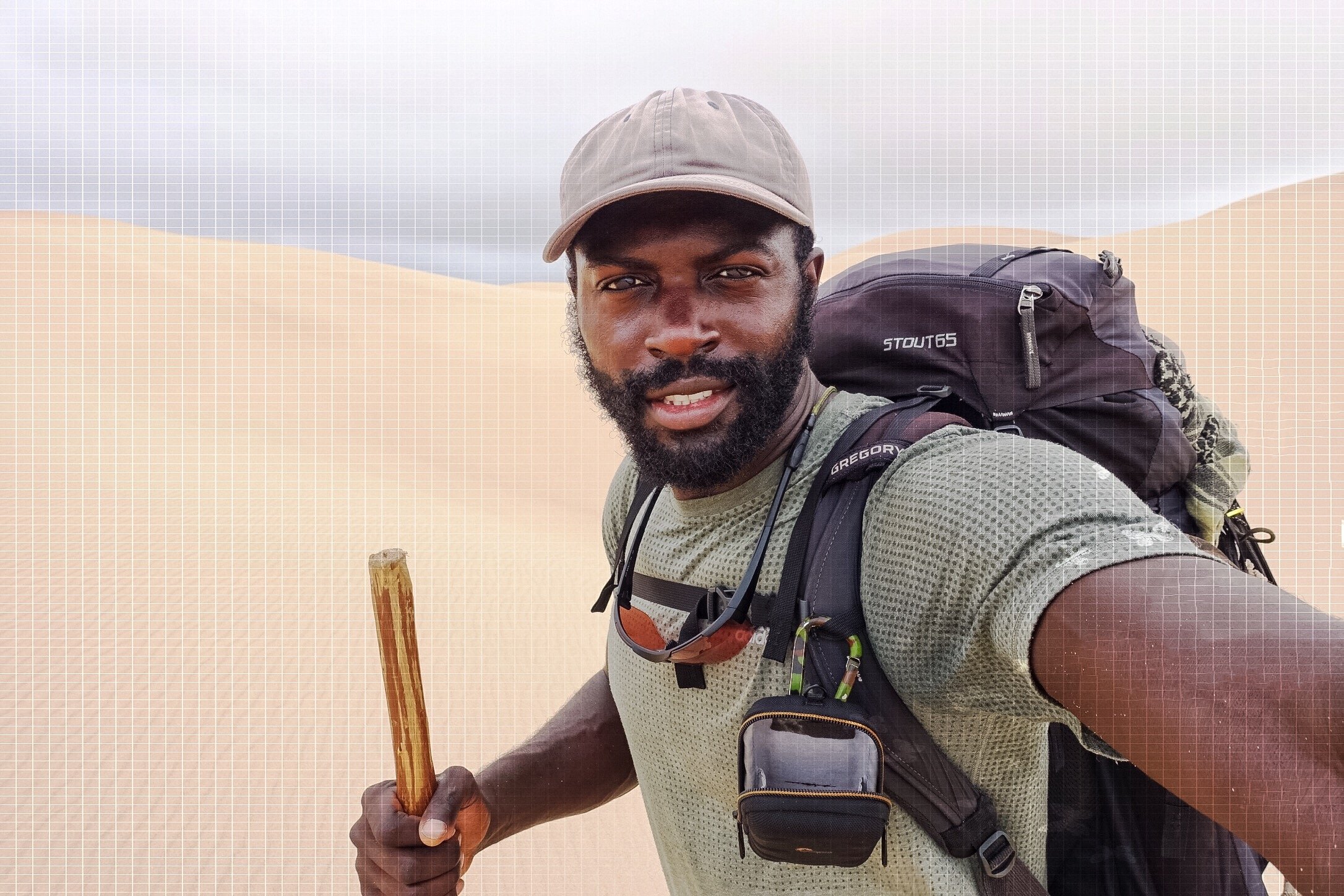
AFRICAN ODYSSEY
FORTHCOMING MEMOIR BEHIND THE STORY OF CROSSING AFRICA.
AFRican odyssey The MEMOIR
forthcoming memoir BEHIND THE 12,000 KM CROSSING OF AFRICA.
Before the films, speaking stages, and expeditions that came after, I left Toronto with a heavy pack, very little certainty, and a question I could not keep avoiding. African Odyssey follows the road through borders, coastlines, deserts, police cells, hospital rooms, conflict zones, and the homes of strangers who showed me both danger and grace.
Pre-orders are not open yet. Join the list for publication updates, sample pages, early reader opportunities, and launch events.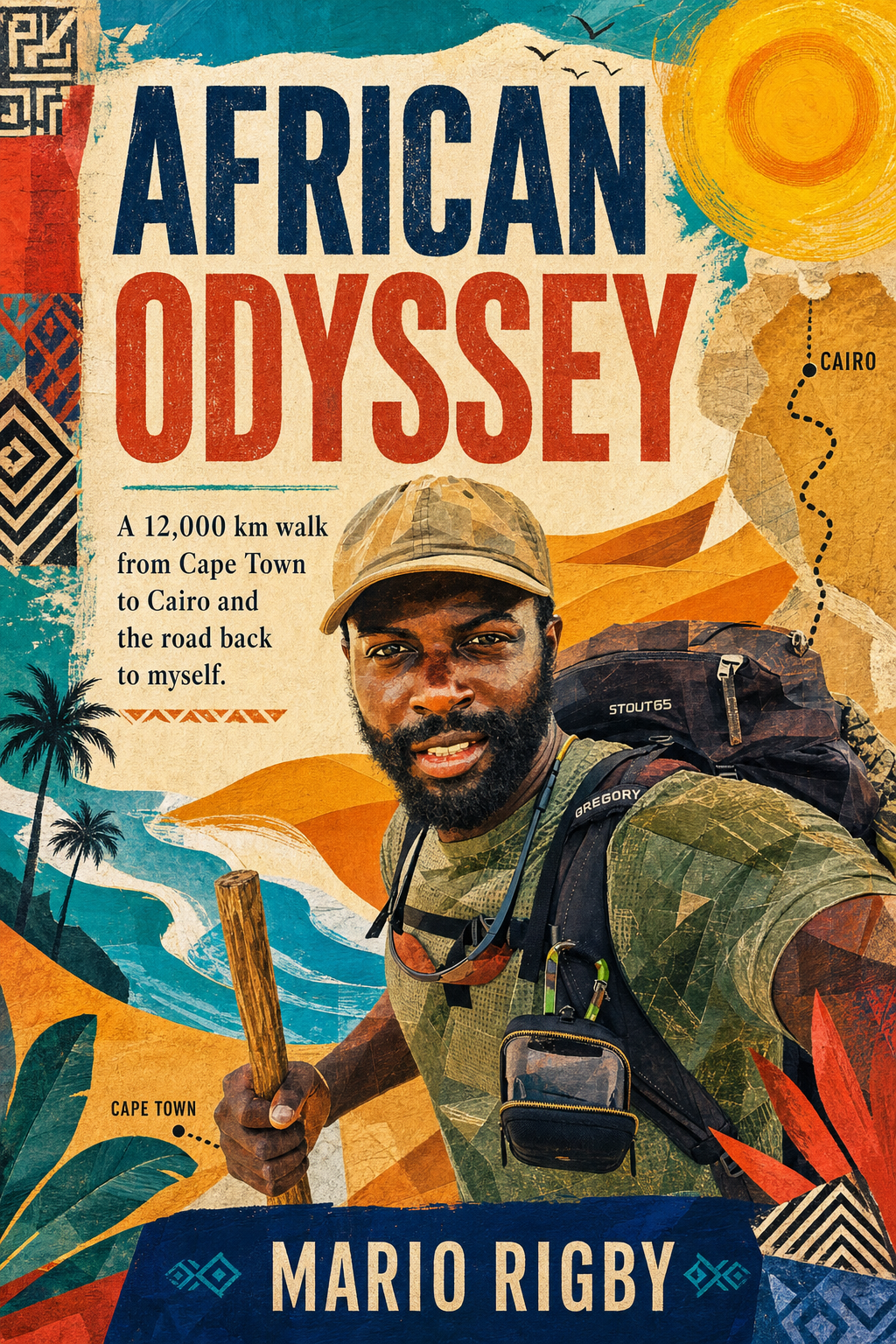
Follow African Odyssey to launch
Join the book list for manuscript updates, sample pages, early reader opportunities, pre-order news when available, and launch event announcements.
By the Numbers
12,000 km (~7,450 miles) walked + kayaked across Africa
859 days (2 years) from start to finish
8 countries crossed
550 km (342 miles) kayaked across Lake Malawi
15-day training walk (CN Tower → Mount Royal)
12–15 hours/day walking during that training block
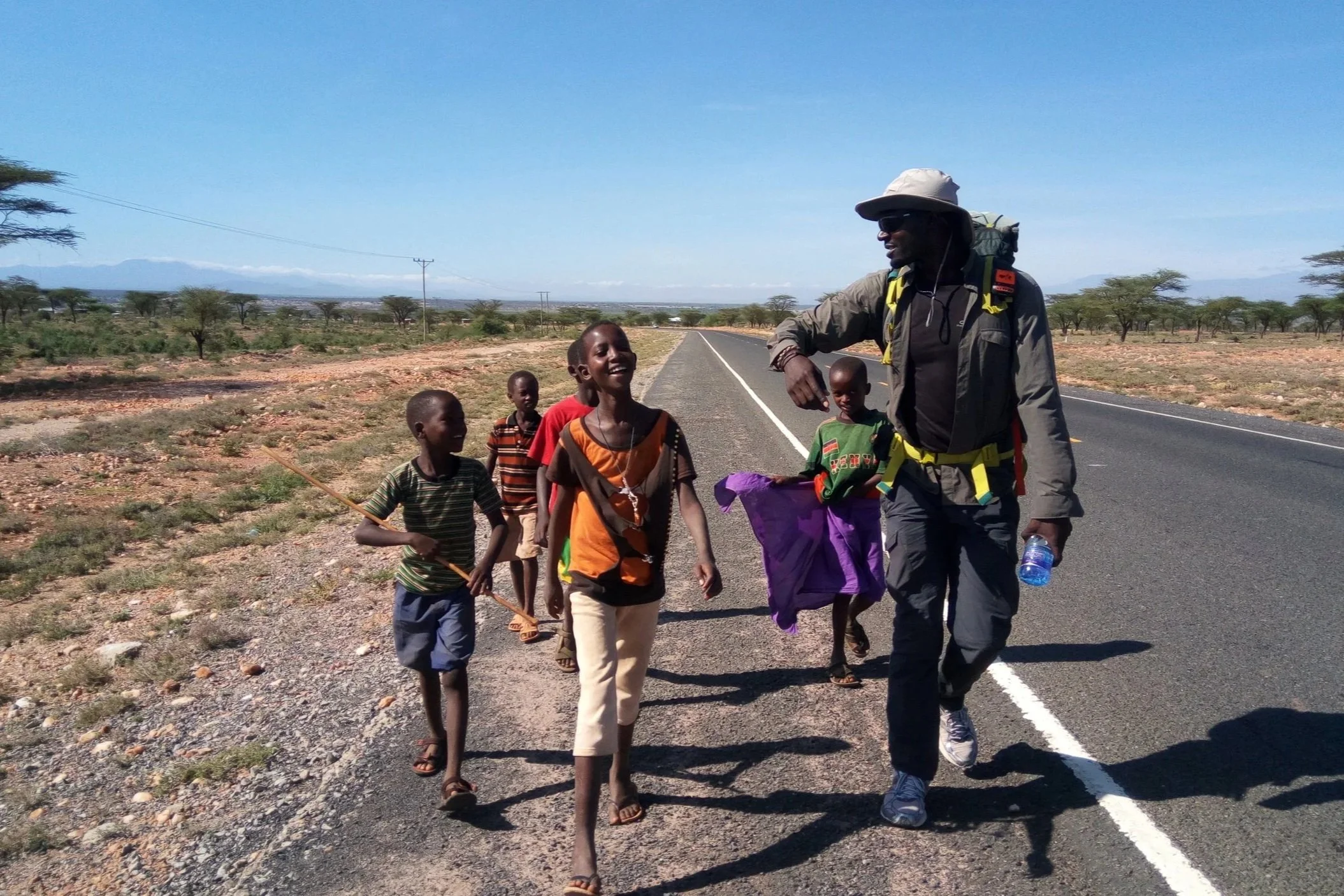
The goal was never just distance.
I wanted to show that in Africa, people are living everyday lives creative, ingenious, complex, and diverse. The best way to get the most authentic experience was to go by foot, because then you have to meet everybody.
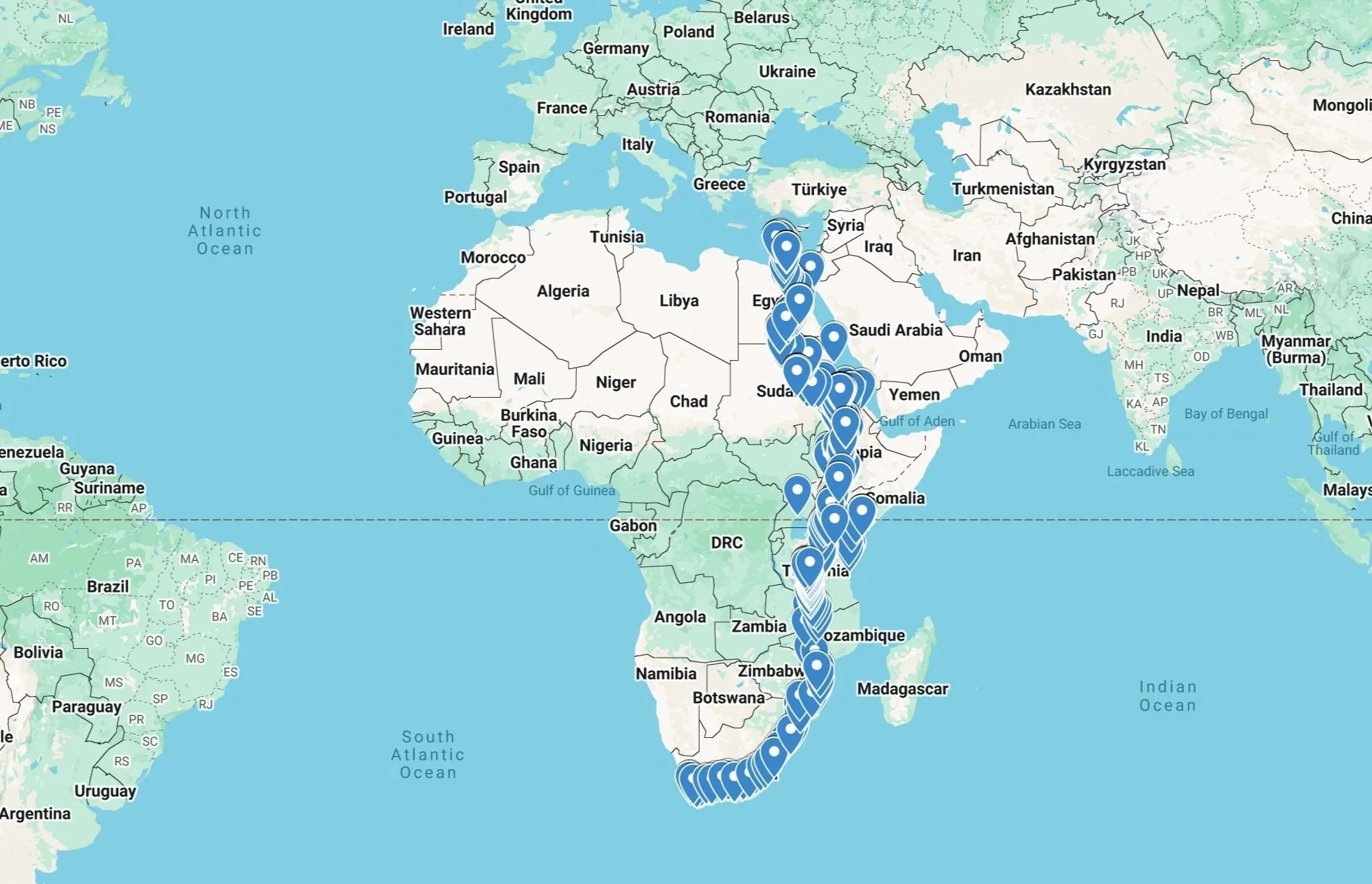
CAPE TOWN TO CAIRO
The journey began in Cape Town and moved north through the continent by foot, paddle, and human power. The distance was roughly 12,000 km, but the numbers only tell part of it. The real proof is in the road: the route, the photos, the journals, the people, the scars, and the long return home.
ROUTE
Cape Town to Cairo
DISTANCE
Roughly 12,000 KM
METHOD
Human-powered
STATUS
Forthcoming memoir
Challenges
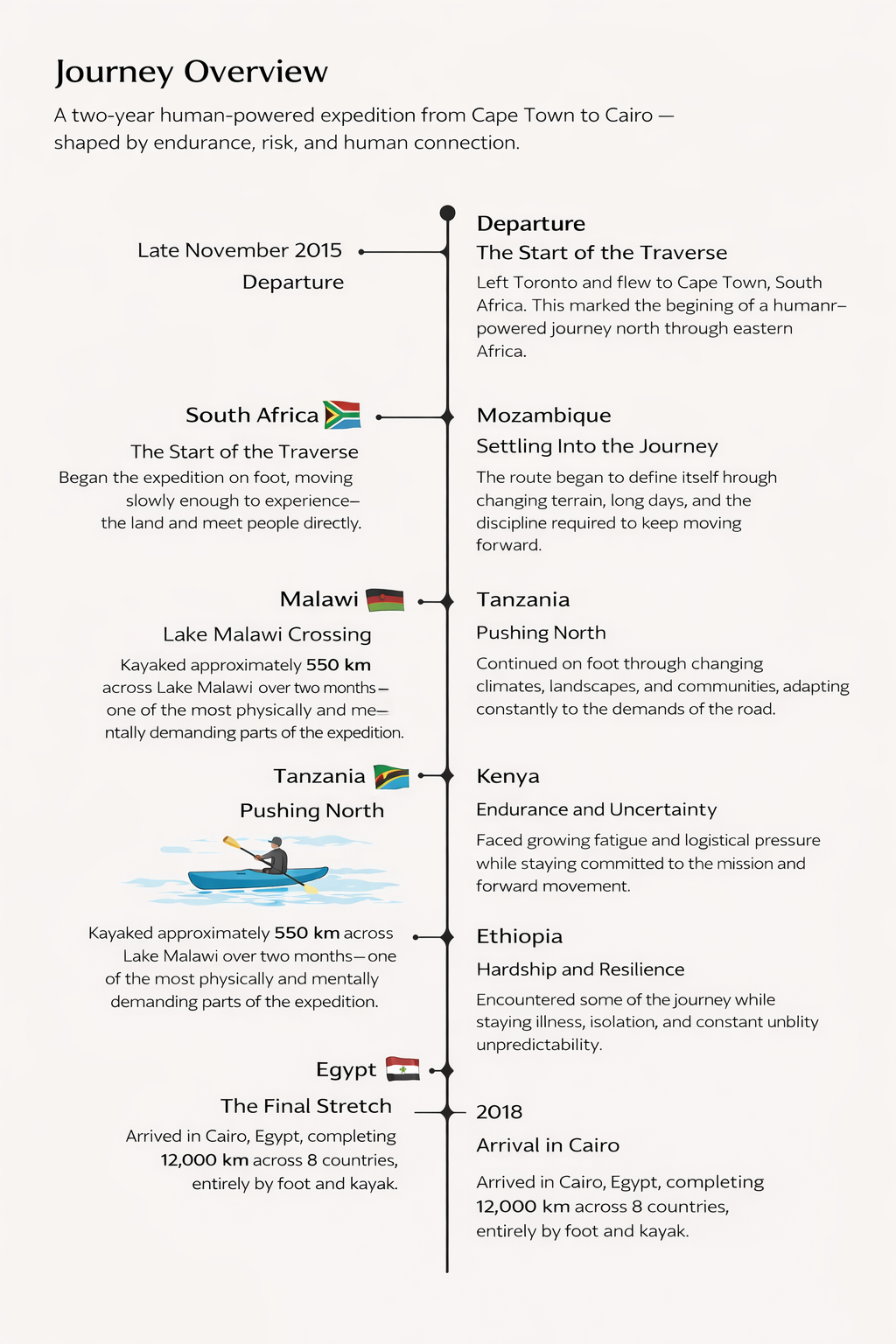
Contracted malaria and kept moving
Kayaked 550 km across Lake Malawi over two months
Encountered war-zone bullets, wild dogs
Jailed for several days near a small village
Navigated constantly changing borders, languages, climates, and terrain
Late November 2015: left Toronto and flew to Cape Town, South Africa. Two years later: arrived in Cairo, Egypt. Completed 12,000 km over 8 countries, entirely by foot and kayak
The Mission
This expedition is built on three core pillars: environmental responsibility, cultural connection, and physical challenge. Together, they define a journey that is not only about distance covered, but about impact, understanding, and personal growth.
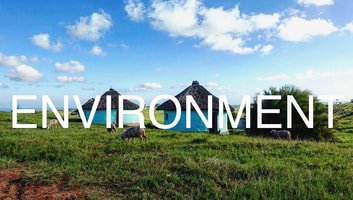
This journey is designed to minimize environmental impact at every step. Moving by foot and kayak allows for a low carbon approach, demonstrating that exploration can exist in balance with the natural world rather than at its expense.
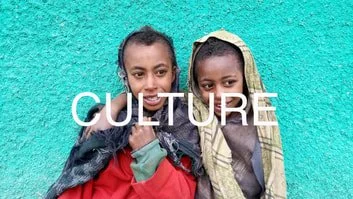
At its core, this expedition is about people. Traveling slowly across Africa creates space for genuine human connection engaging with communities, learning from lived experiences, and building relationships that go far beyond observation.
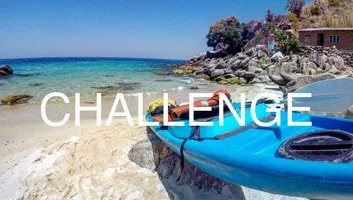
Endurance is central to the mission. From multi-day crossings to long distance kayaking, each segment tests physical and mental limits. These challenges are not just obstacles they are catalysts for clarity, resilience, and transformation.
Preparation
Before crossing continents, I had to prove to myself I could do discomfort at scale.
15-day walk from the CN Tower (Toronto) to the top of Mount Royal (Montreal)
Walked 12–15 hours each day
Covered 550+ km, all on foot
Built the mental endurance to trust the process: one step, repeat
Why Do This?
To test the limits of body and mind with purpose.
To inspire action in a fast-paced, digital world to get outside and do real things.
To explore land and people in a way you can’t from a vehicle.
To walk with Africans and stay where locals stay, learning through connection.
To move through the world without convenience arriving in a town and meeting strangers within minutes.
What I Learned
The Africa I saw on the news was often misinterpreted.
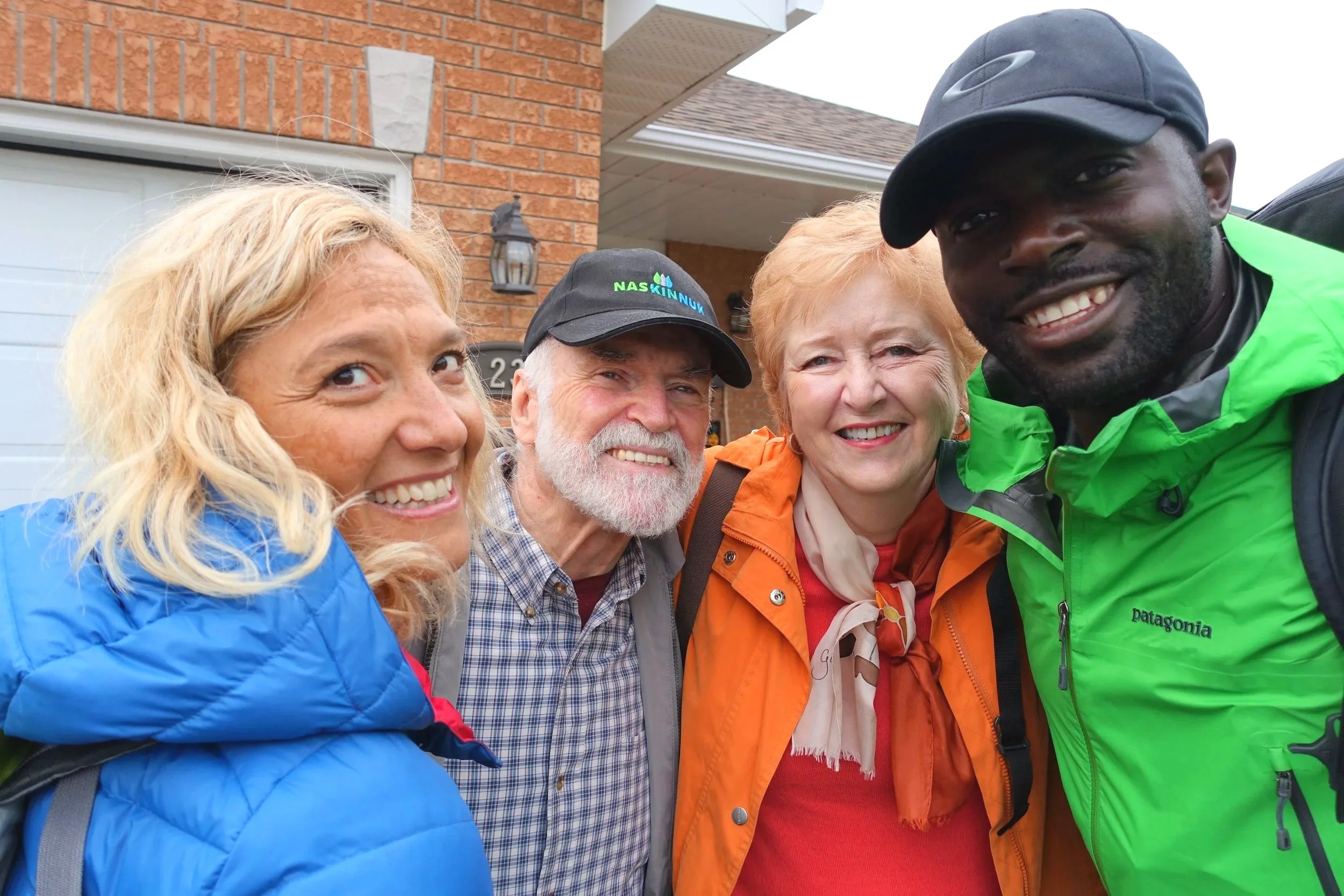
You can never truly be lost someone will help you, house you, feed you.
Hospitality isn’t charity; it’s community: people inviting me into homes, sharing food, sharing stories.
The Road in Fragments
The journey moved through coastlines, deserts, rivers, border posts, homes, police stations, markets, campsites, and long empty stretches where the only way out was forward.
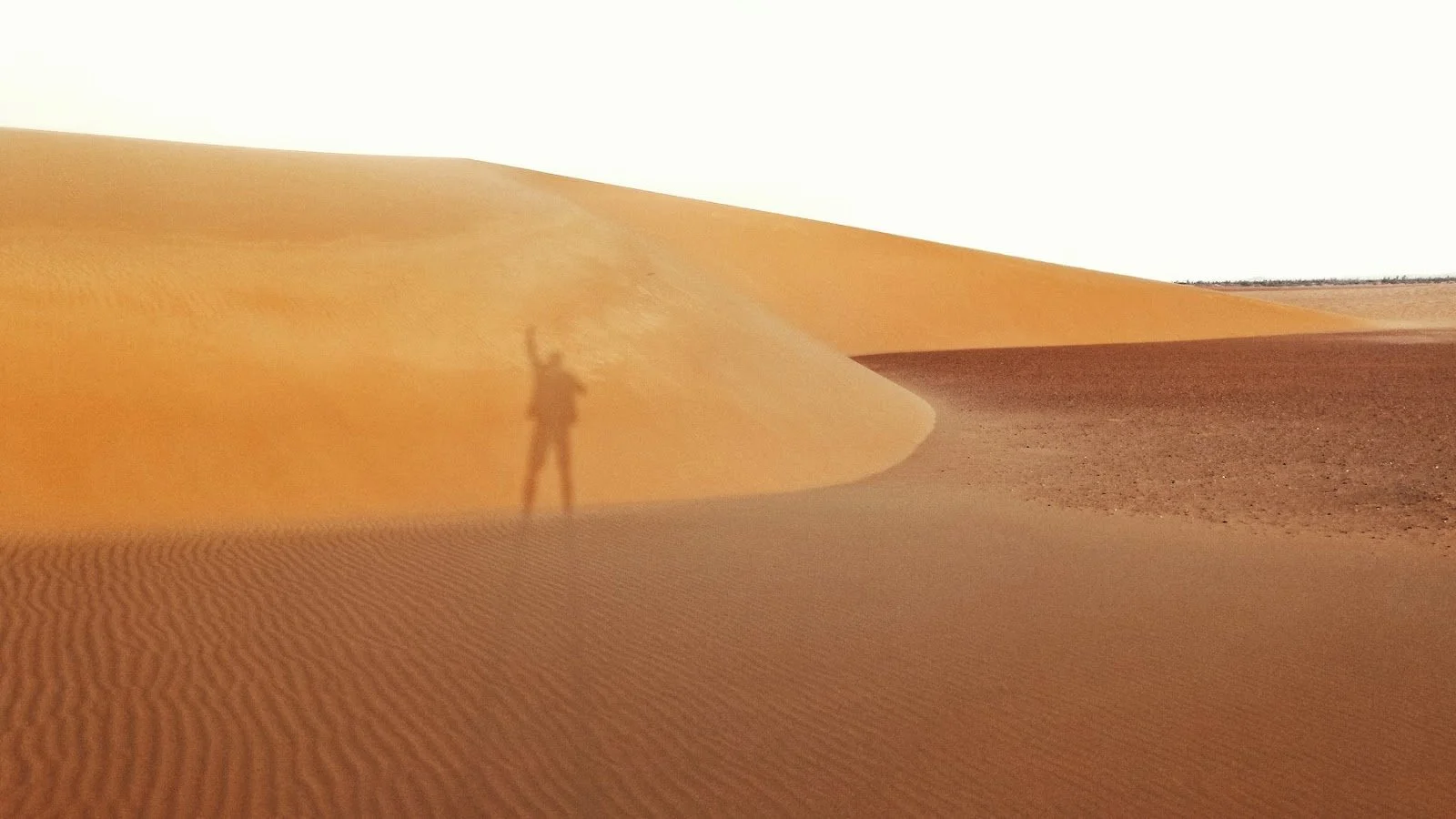
Desert light near the northern end of the journey.
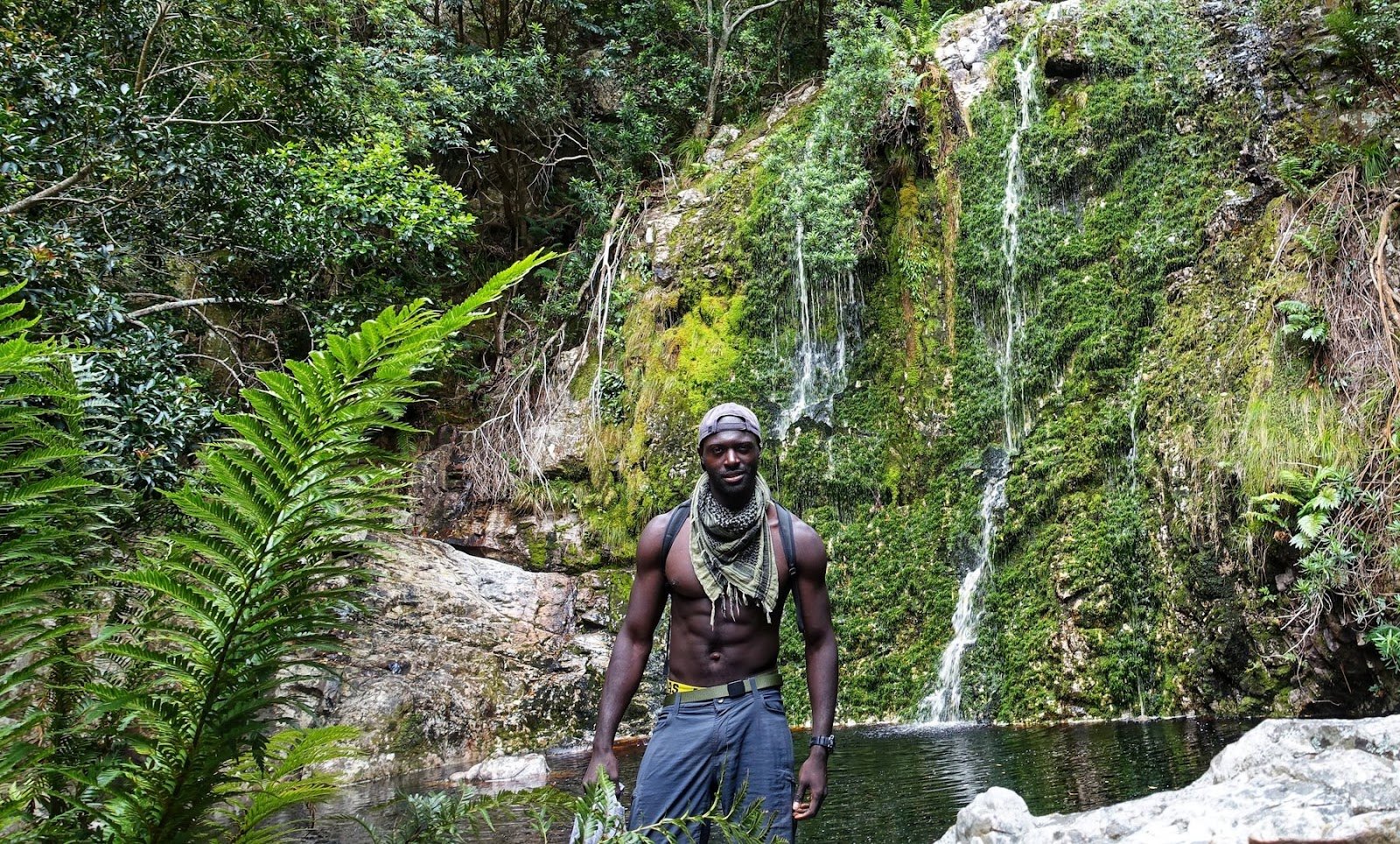
Water became relief, danger, and proof that the body was still listening.
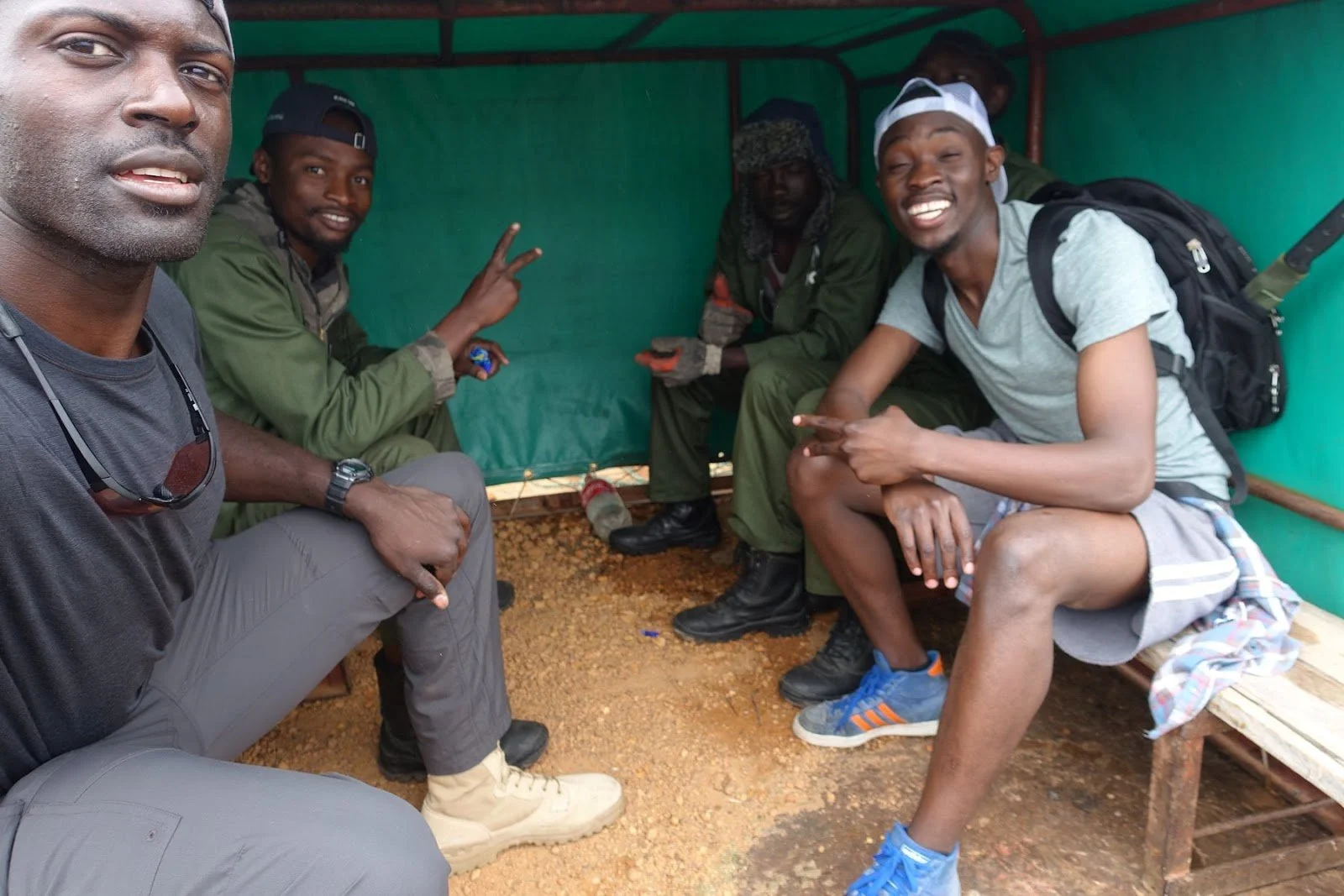
The walk was held together by strangers, shelters and rooms.
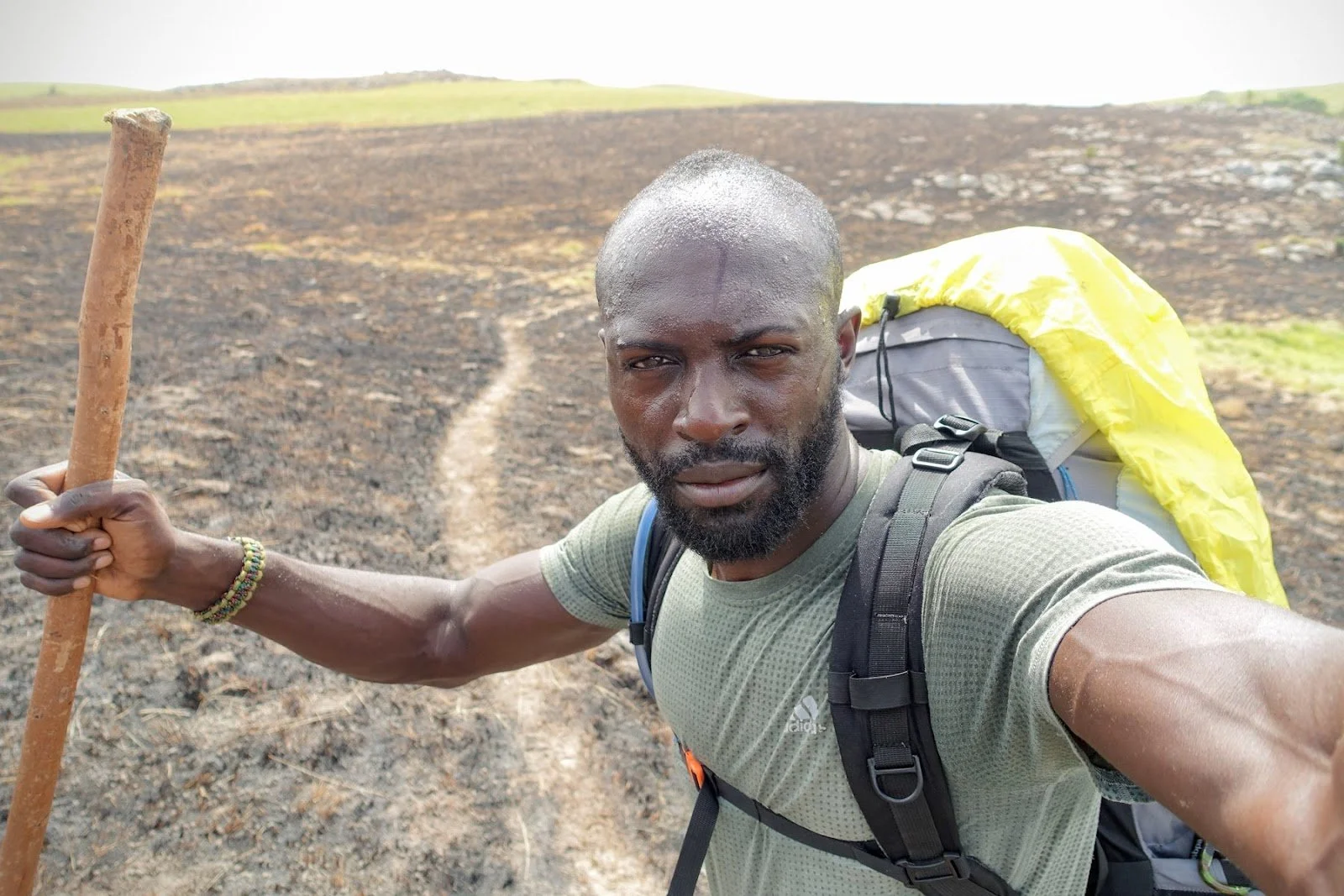
Some days were only grass, heat, distance, and the weight of the pack.
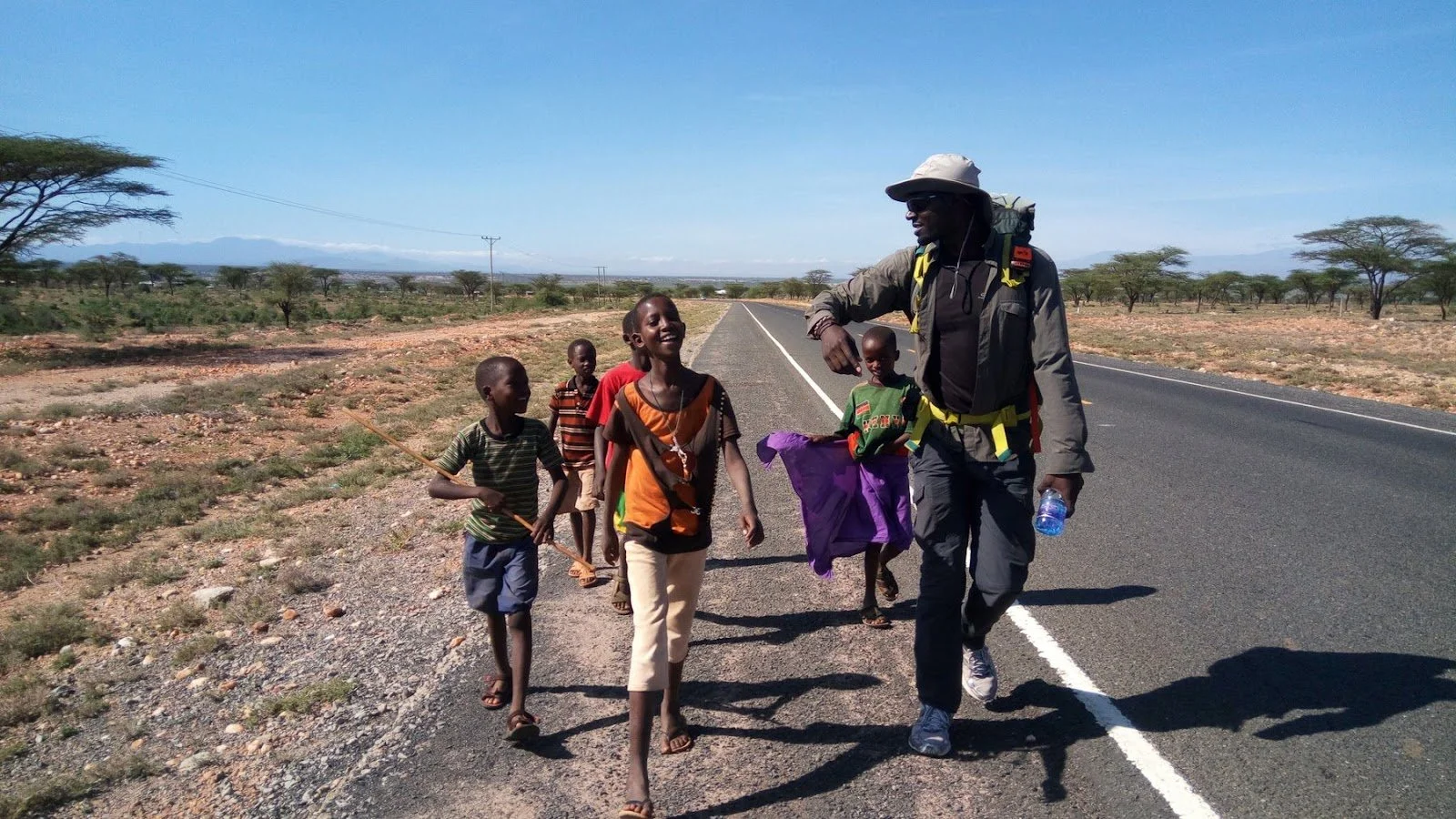
Encounters along the road complicated every simple story I had brought with me.
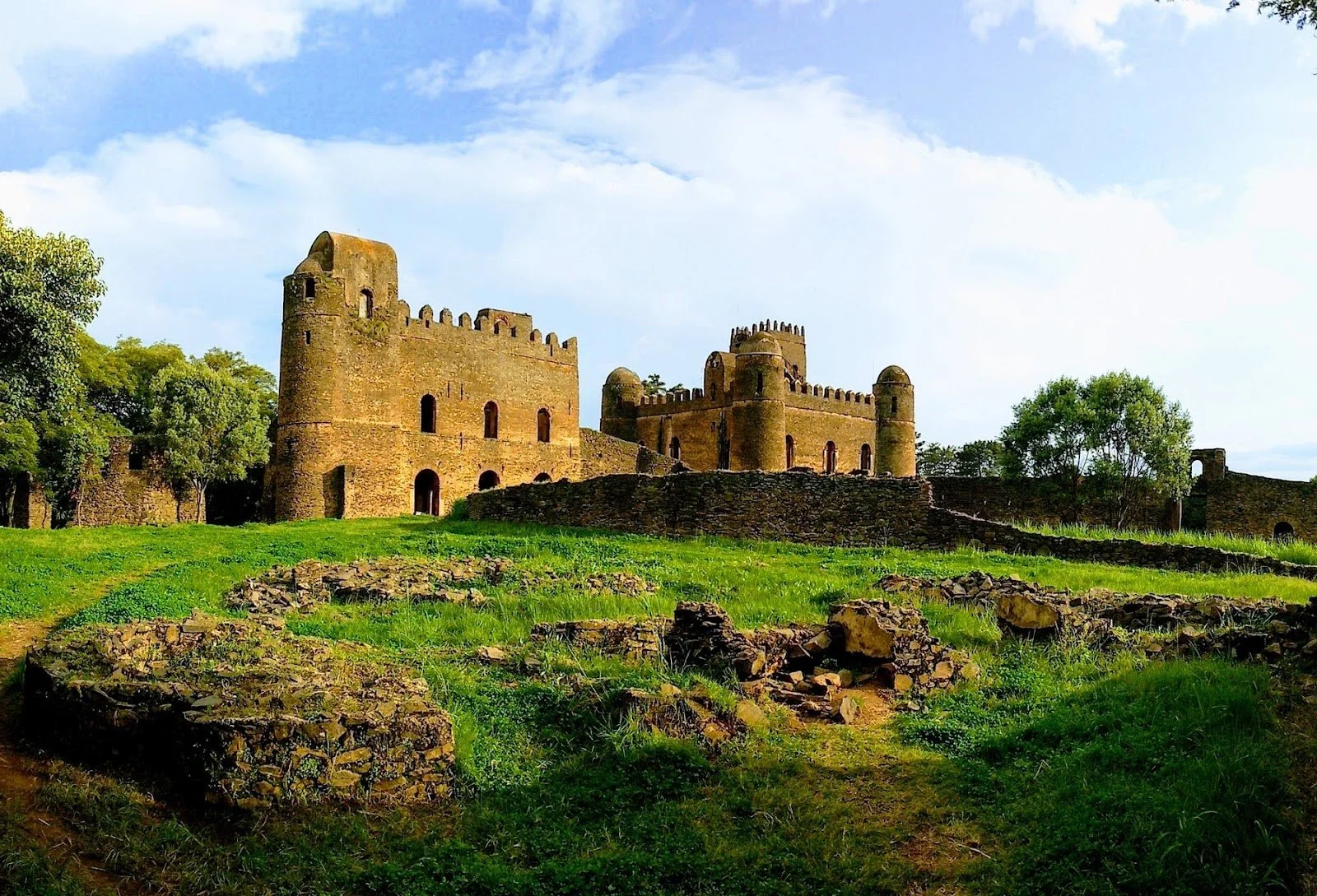
Ethiopia carried history in stone, ritual, hunger, pride, and waiting.
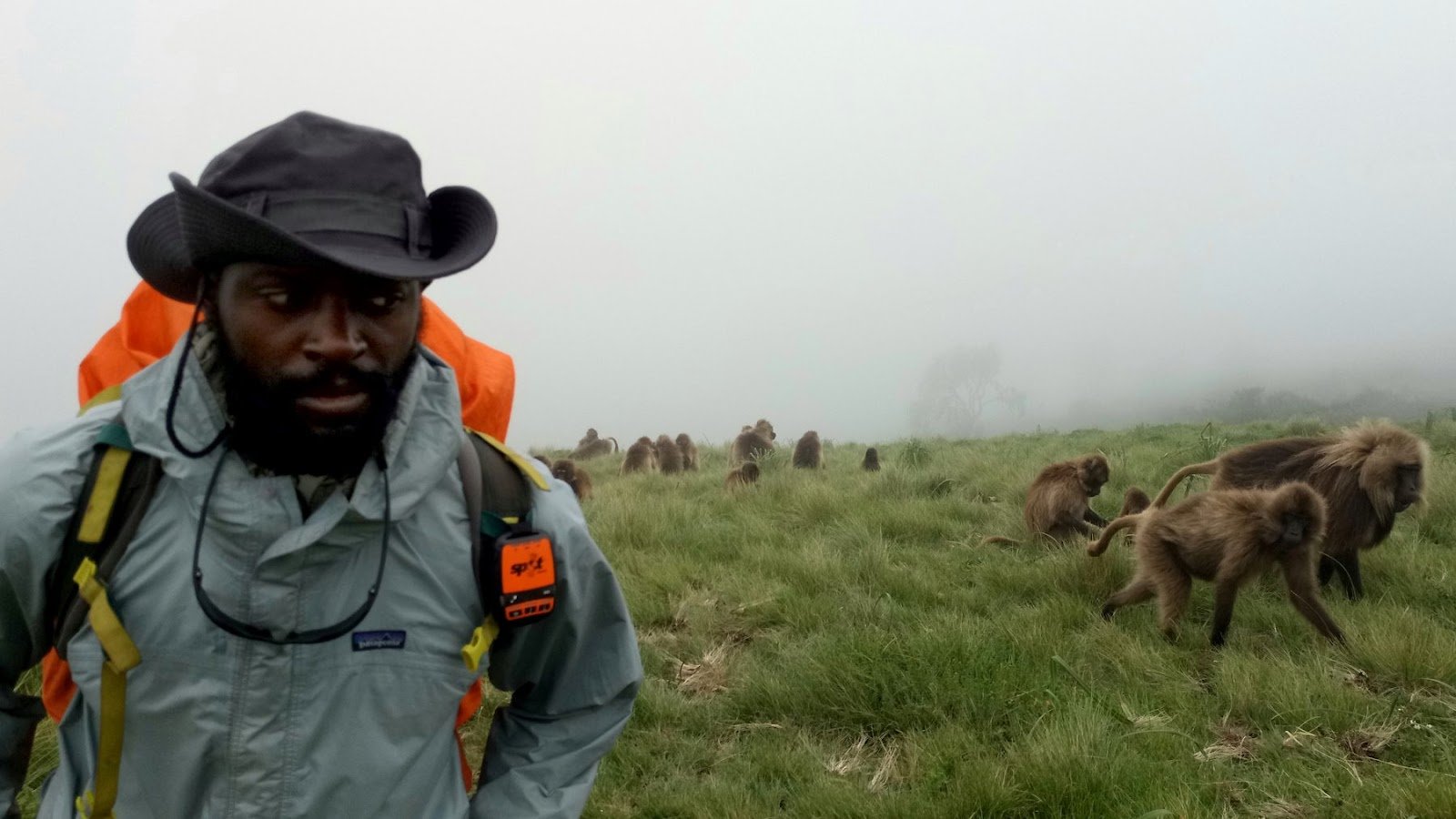
In the Simien Mountains, the world moved at the pace of animals and weather.
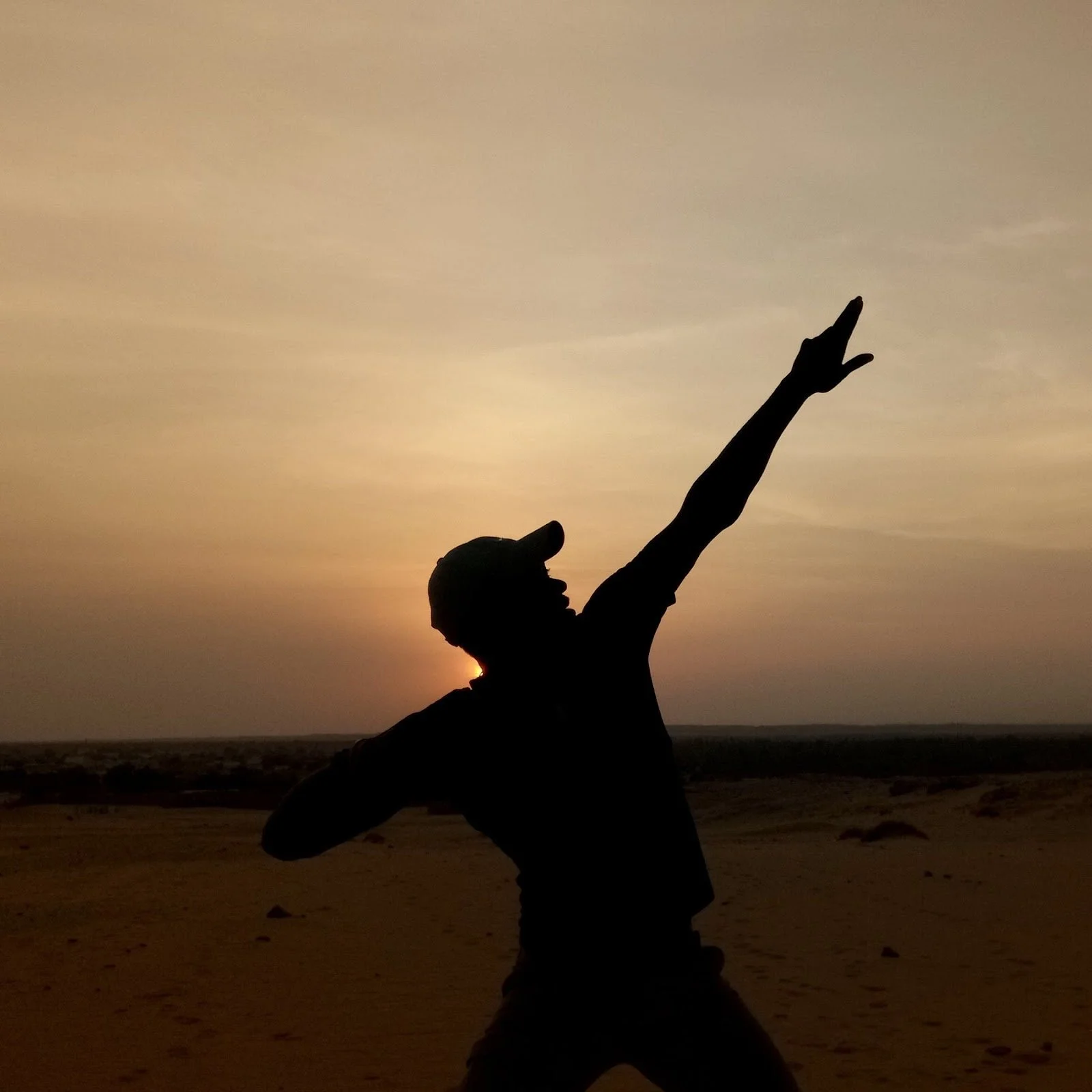
The desert stripped the journey down to light, silence, and calculation.
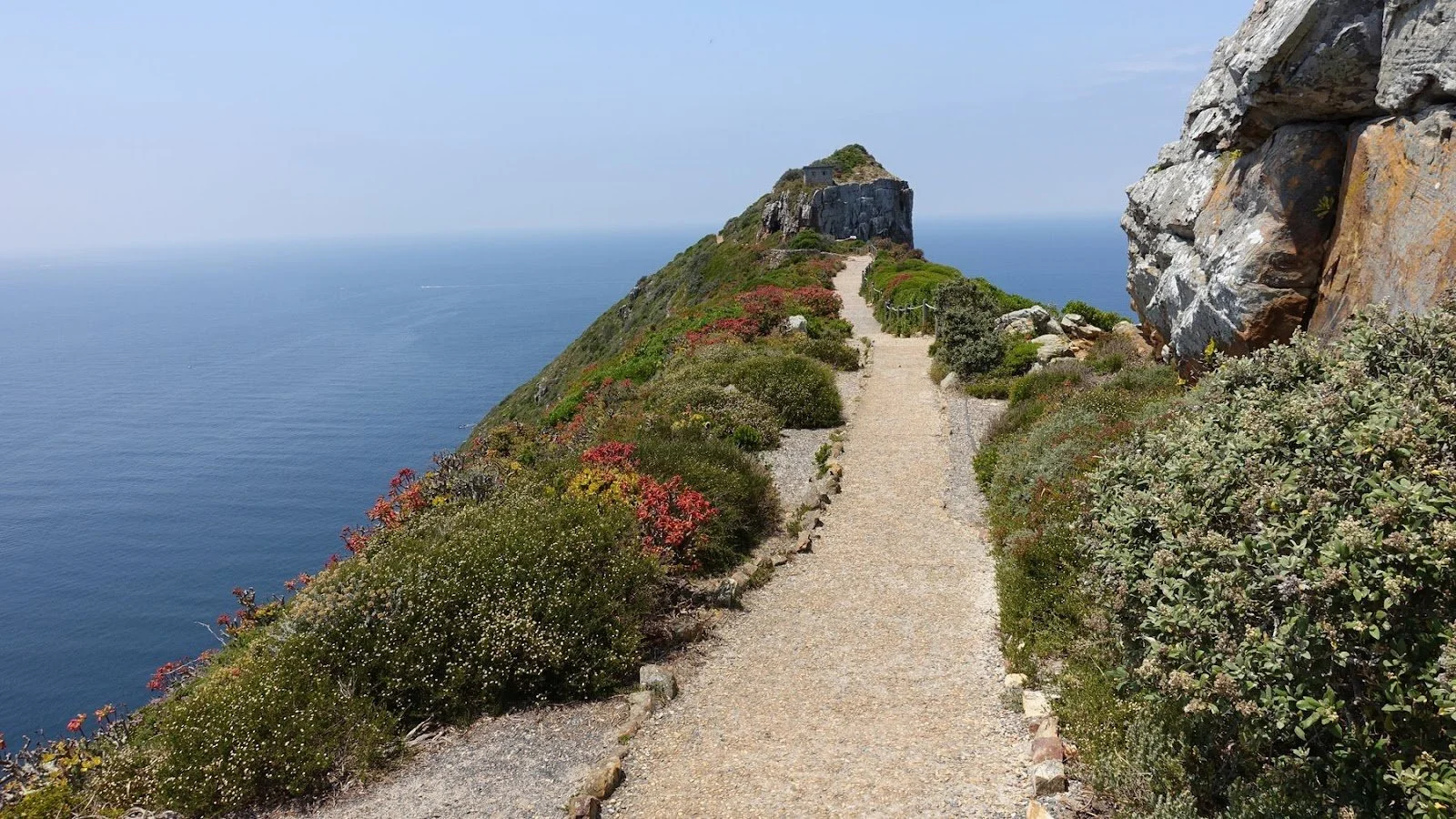
The road leaving the safety of the familiar.
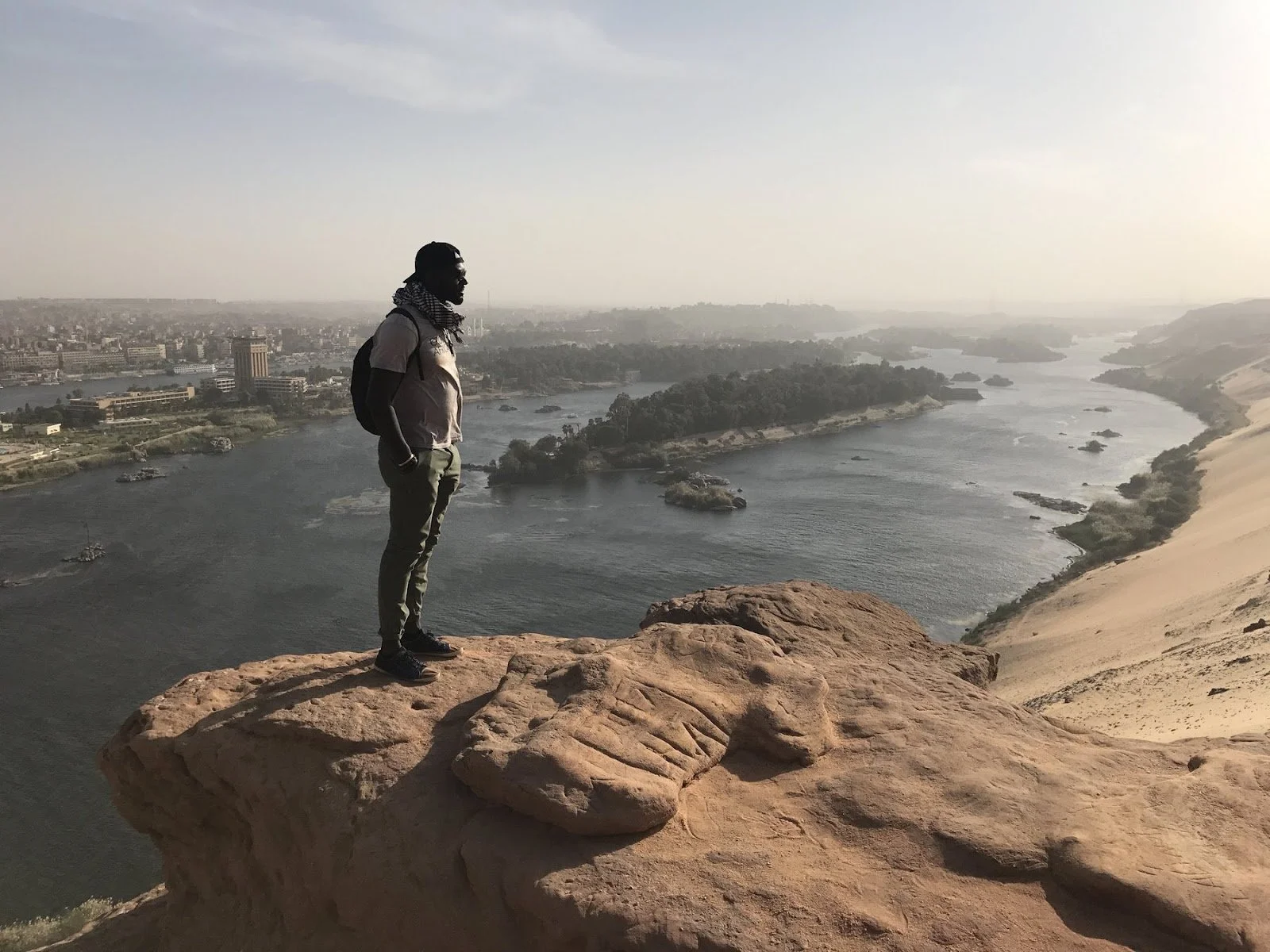
By the Nile, the road began to feel both ancient and unfinished.
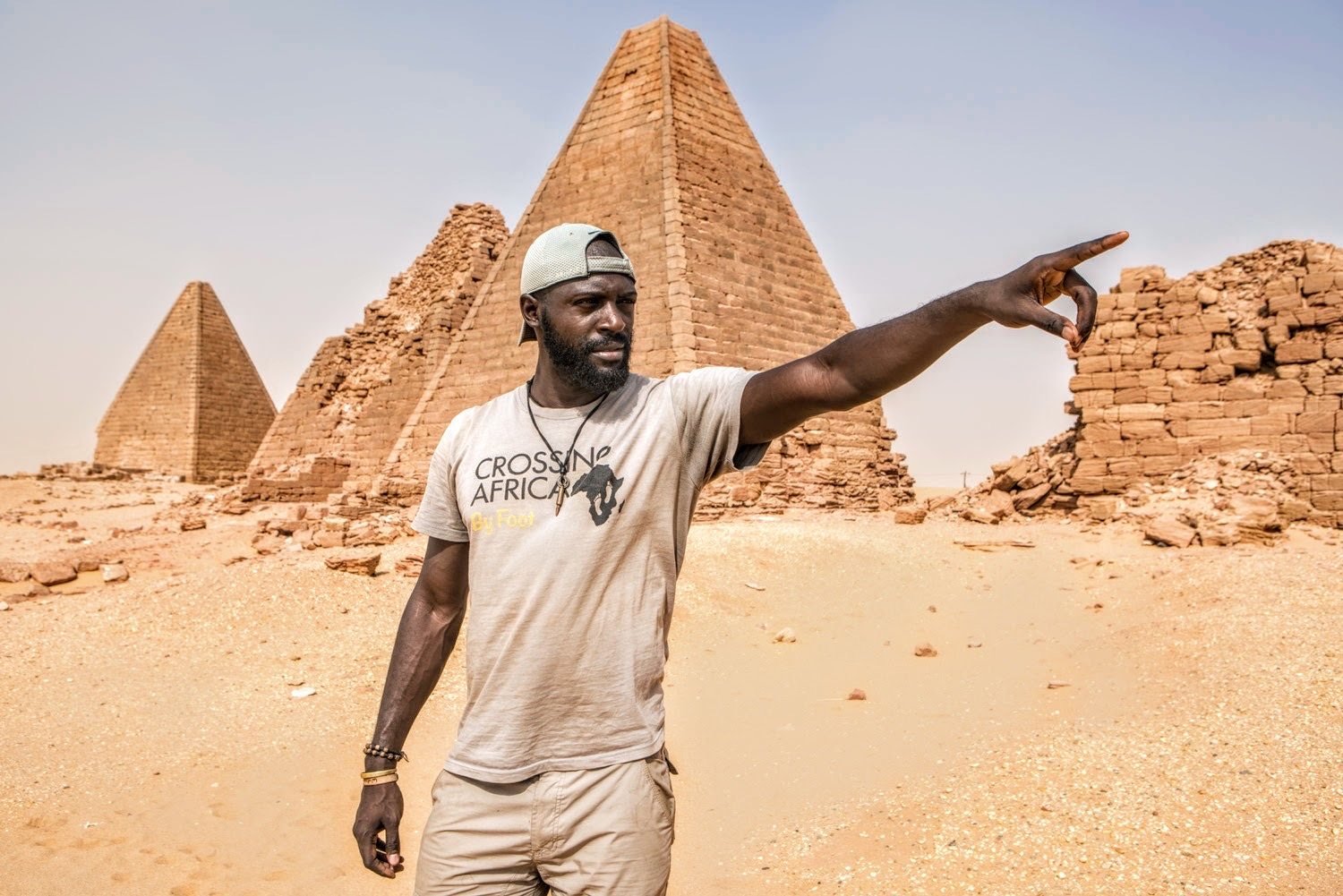
The final countries made the journey larger than achievement.
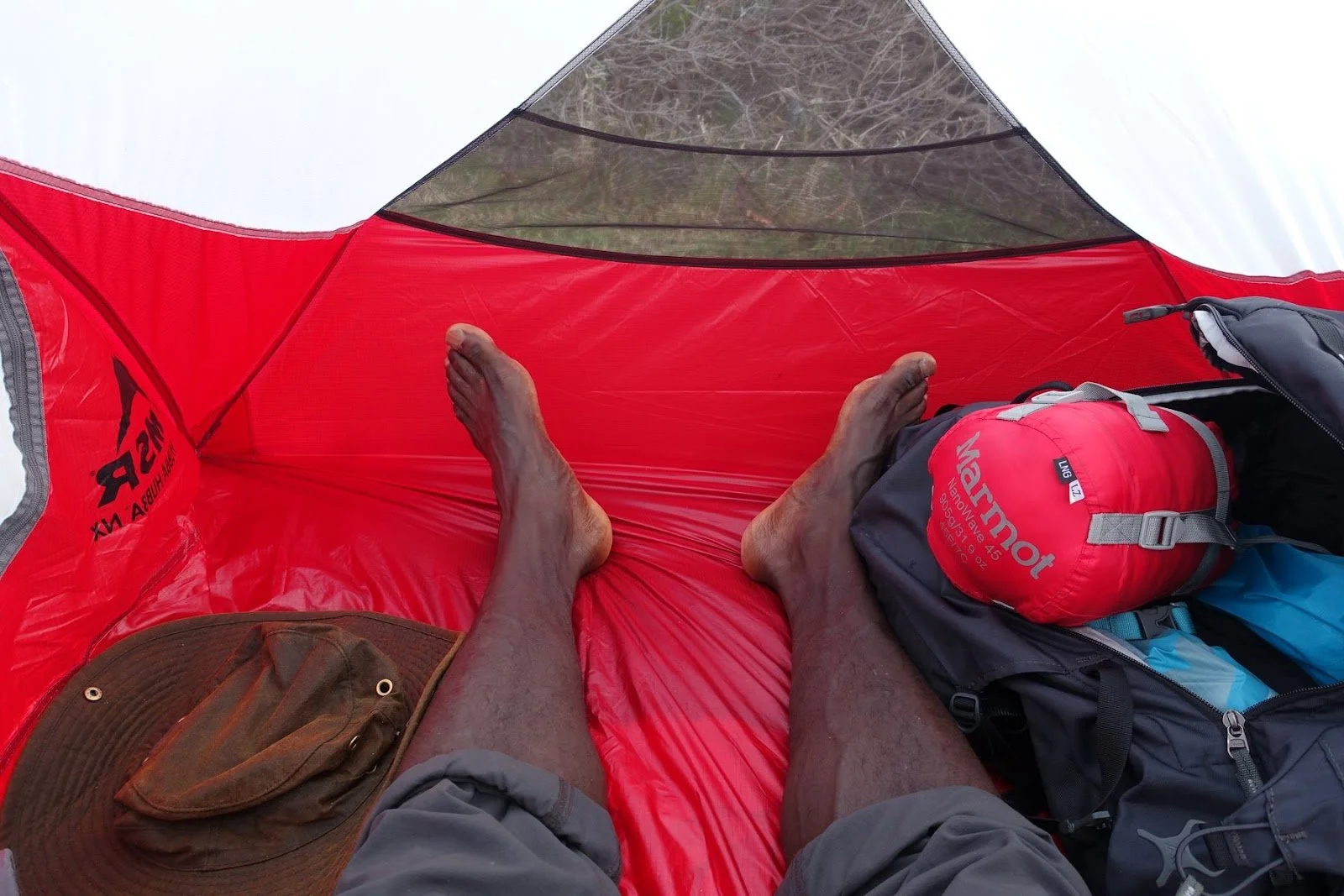
Rest was often just the ground, and a tent.
Press
This expedition has been featured across national and international media, highlighting not just the scale of the journey, but the deeper intention behind it.
Coverage has focused on human-powered exploration, sustainability, and the realities of moving slowly across Africa offering a perspective that challenges common narratives and assumptions.
These stories extend the impact of the expedition beyond the route itself, bringing its message to a wider audience and opening the door for continued dialogue, collaboration, and exploration.
What Did I Carry?
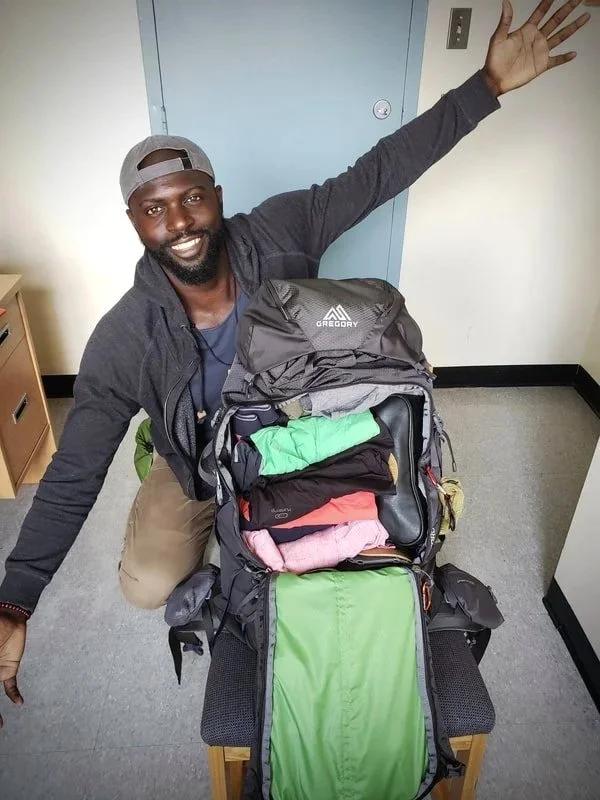
Everything I carried had to justify its weight.
This expedition was built on a minimalist system only essential gear that could withstand constant use across changing climates, terrain, and conditions. Every item served a purpose, from shelter and navigation to food preparation and safety.
There was no room for excess. What I carried determined how far I could go each day, how I recovered, and how I adapted to the environment around me.
The setup evolved over time, shaped by real world experience: what broke, what lasted, and what proved indispensable. It was less about having the best gear, and more about understanding how to use it effectively in unpredictable conditions.
In the end, the gear wasn’t just equipment it was part of the system that made the journey possible.
-
Gregory Baltoro 65L – main expedition backpack; carried full load comfortably day after day.
Gregory Zulu Pack 30L – smaller daypack for food/water/camera and short carries.
-
MSR Hubba Hubba Tent – shelter from weather/bugs; quick setup and stable in wind.
Marmot Nano Wave Sleeping Bag – lightweight, packable bag for moderate temps.
Polyester Sleeping Liner – added warmth and kept the sleeping bag cleaner.
Therm-a-Rest ProLite Sleeping Pad – insulation and comfort; better recovery because sleep matters.Description text goes here
-
Expedition Pants – durable for rough terrain and bush.
Cargo Shorts – hot-weather option for airflow.
Cotton + Dry Fit Shirts – comfort + sweat-wicking rotation so something was always dry.
Athletic Underwear (compression) – reduced chafing on long days.
Shemagh/Scarf – sun, dust, wind protection; also handy as a wrap/towel.
Wool Socks – blister control and warmth even when damp.
Rain Jacket – weather protection for storm days.
-
Magnum Boots – primary walking boots; supportive and tough for huge mileage.
Nike Flex (Men/Women) – lightweight recovery/around-town shoes to give feet a break.
Teva Hurricanes (Men/Women) – camp sandals + water crossings + foot ventilation.
-
Bear Grylls Knife – camp tasks, food prep, general safety utility.
Gerber Flip Knife – quick-access pocket utility knife.
100m Paracord – repairs, tie-downs, clothesline, and general problem-solving.
Fishing Line / Hook / Sinkers – backup food sourcing when needed.
Gold Lion Gear Carabiner – clipped gear externally for fast access.
Suunto Compass – navigation backup when electronics fail.
Gorilla Tape – “field repair kit” for shoes, packs, tent damage.
LifeStraw – made questionable water sources safe to drink.
-
Oakley’s Sunglasses – eye protection in intense sun (daily-use item).
Garmin Fenix 5x Plus – navigation/track logging and route awareness.
Sony a7R III + Sony 28–70mm Lens – high-quality photo storytelling kit.
Sony RX100 V – compact backup camera for quick shots.
GoPro Hero 6 – action/water footage in environments where other cameras can’t go.
Samsung S9 Unlocked – communication, maps, and mobile content capture.
Anker 20,100mAh Power Bank – high-capacity charging for long stretches off-grid.
Goal Zero 7,800mAh Power Bank – smaller power bank for day-to-day backup.
Goal Zero Nomad 7+ Solar Panel – remote charging when there’s sun but no outlets.
-
First Aid Kit (66 pieces) – first line of defense for injuries/blisters; handled the small stuff before it became big.
Garmin eTrex 20x GPS Tracker – navigation + safety backup; breadcrumb trail when needed.
-
MountFlow Micro Towel – fast-drying towel for quick cleanup.
Biodegradable Baby Wipes – hygiene solution when water was scarce.
Soap / Lotion / Deodorant – basic hygiene + skin care (important over long periods).
Nail Clippers / Small Hair Brush – simple grooming that prevents problems (snags, dirt, discomfort).
Toothpaste / Toothbrush – baseline hygiene, non-negotiable.
-
Bracelets / Necklaces / Good Luck Items – morale, grounding, and a bit of home everywhere.
For readers, press, and stages
For readers, African Odyssey is a literary adventure memoir. For media, publishers, and speaking audiences, it opens a larger conversation about resilience, race, self-reliance, human-powered travel, identity, and the cost of returning after survival.
Q&A
-
south to north using only human-powered movement, while sharing a more honest and nuanced perspective of the continent through lived experience.
-
The expedition began in Cape Town, South Africa, and concluded in Cairo, Egypt.
-
The journey took approximately two years from start to finish.
-
In total, over 12,000 km (7,450 miles) were covered by foot and kayak.
-
South Africa, Mozambique, Malawi, Tanzania, Kenya, Ethiopia, Sudan, and Egypt.
-
The expedition was completed entirely by foot and kayak, including a major crossing of Lake Malawi.
-
Traveling on foot forces connection. It slows the experience down and creates space for real interaction with people, landscapes, and cultures along the way.
-
Sustaining physical and mental endurance over long periods, often in extreme environments, while navigating logistics, health, and isolation.
-
Kayaking was used to cross Lake Malawi, covering approximately 550 km, adding a different dimension of endurance and risk to the journey.
-
By building local relationships, staying adaptable, and making decisions based on real-time conditions rather than fixed plans.
-
That Africa is not one story. It is diverse, complex, and deeply human—and the only way to understand that is through direct experience.
-
It reinforced the importance of slowing down, listening, and approaching the world with openness and respect.
-
The journey was made possible through a combination of personal commitment, partnerships, and support from organizations aligned with the mission.
-
While possible, it requires extensive preparation, cultural awareness, and a strong understanding of the physical and logistical demands involved.
-
To challenge assumptions, inspire human-powered exploration, and create a deeper connection between people and the places they move through.